Certainly! I will trace the journey of the "Ningbo Bang" from its historic origins to its modern resurgence. The main contents of the report are as follows:
Historical origins: Introduction to the birth of the "Ningbo Bang" and the foundational role of the Baoshun ship.
Spiritual core: Analysis of the business principles and values that defined the "Ningbo Bang".
Family legacy: Case study of the Li family's cross-generational contributions.
Modern rebirth: Examination of contemporary shipping enterprises and cultural revival.
Conclusion: Reflection on the enduring legacy and future prospects.
? The Baoshun Ship: A Historic Voyage Begins
The "Ningbo Bang," an influential business collective, traces its maritime origins to a pivotal moment in 1854 when Ningbo merchants pooled resources to acquire China's first privately-operated steamship, the Baoshun ship. This landmark acquisition during the late Qing Dynasty marked China's entry into modern shipping, creating a blueprint for entrepreneurial collaboration that would define Ningbo's commercial ethos for generations.
Historical Context: In the mid-19th century, traditional canal-based grain transportation systems were collapsing amid foreign threats and domestic turmoil. Pirate activities plagued coastal waters, severely threatening commercial shipping routes. Ningbo merchants, led by prominent figures like Li Yeting (dramatized as Li Haiding in theatrical productions), recognized that technological innovation was essential for survival and progress.
Collaborative Venture: Demonstrating extraordinary vision, these merchants collectively raised 70,000 silver dollars to purchase the British-made steamship. This collaborative funding model became a hallmark of "Ningbo Bang" operations, allowing for capital-intensive ventures that would be impossible for individual entrepreneurs.
Immediate Impact: The Baoshun ship proved remarkably successful, capturing 68 pirate ships and eliminating over 2,000 pirates within its first years of operation. This protection of vital grain transport routes cemented its practical and symbolic value, transforming it into "a spiritual totem of the Ningbo merchant group, embodying their spirit of defying difficulties, pioneering and innovating, and protecting their homes and businesses".
? The Spirit of the Ningbo Merchants: Business Principles and National Character
The "Ningbo Bang" distinguished itself through a unique blend of sharp business acumen and profound national consciousness, creating a business philosophy that balanced profit with purpose.
Pioneering Vision: These merchants demonstrated remarkable foresight in adopting Western technology and business methods long before such practices became widespread in China. As one historical account recorded: "China's use of steamships began with the Ningbo Baoshun ship". This embrace of innovation while maintaining Chinese operational control represented a sophisticated approach to modernization.
Business Integrity and Organization: The "Ningbo Bang" operated through sophisticated organizational structures like the Qing'an Guild Hall, which coordinated merchant activities and established trustworthy business frameworks. Their reputation for reliability and collective responsibility became a valuable business asset that transcended generations.
Patriotic Commercial Ethos: Perhaps most significantly, these merchants consistently integrated national interests with business objectives. When French forces threatened Zhenhai in 1885, the Baoshun ship was intentionally scuttled with rocks to block the invasion route, transforming from commercial vessel to patriotic sacrifice. This evolution from "pioneer" to "guardian" epitomized the Ningbo merchants' willingness to prioritize national security over personal profit.
???? Family Legacy: The Li Family and Generational Contributions
The Li family exemplifies how "Ningbo Bang" values were transmitted across generations, creating enduring business dynasties that adapted to changing times while preserving core principles.
Founding Entrepreneur Li Yeting: The family's maritime empire began with Li Yeting, who arrived in Shanghai at age 15 with minimal resources. His breakthrough came when he recognized the opportunity presented by the Qing government's shift to sea transport for grain tax revenues. Through strategic reinvestment, he expanded from a single vessel to a fleet, eventually establishing the "Juda Sand Ship Company" that dominated Shanghai's shipping scene.
Institutionalized Family Governance: In a revolutionary approach, Li Yeting established a "pass leadership to the worthy, not necessarily the son" family rule. This meritocratic succession ensured competent management across generations, with nephews and capable descendants steadily growing the business into one of Shanghai's nine major banking giants by the late Qing period.
Diversified Business Expansion: The family strategically leveraged shipping profits to venture into complementary industries, establishing three banks and investing in terminals, warehouses, and department stores. This created a resilient business ecosystem that could withstand sector-specific downturns.
Second-Generation Patriotism: The family's commitment to national service intensified with subsequent generations. Li Shanxiang, a later family leader, exemplified this when he refused Japanese offers to lead the Jinzhou Agricultural Association during their occupation, instead returning to Ningbo to organize anti-Japanese resistance. His children continued this tradition, with ten family members joining the Communist Party, seven of whom served in the New Fourth Army.
? Modern Resurgence: The "Ningbo Bang" Sets Sail Again
The contemporary revival of Ningbo's shipping industry demonstrates how historical legacy combines with modern innovation, creating a 21st-century maritime powerhouse that maintains connections to its distinguished heritage.
Corporate Expansion: Ningbo Ocean Shipping Co., a modern successor to the "Ningbo Bang" tradition, has dramatically expanded its operational capacity. As of mid-2025, the company operated 108 vessels with a total capacity of 1.687 million deadweight tons, representing year-over-year growth of 12-16%. The recent addition of specialized container ships like the "Ningyuan Zhenhai" demonstrates continued investment in technologically advanced, environmentally optimized vessels.
Strategic Modernization: Contemporary Ningbo shipping companies employ sophisticated business approaches that echo their historical predecessors' innovative spirit. Recent initiatives include a comprehensive 57-vessel procurement program spanning 2025-2027, demonstrating the scale and complexity of modern operations. The company has also expanded its international presence through Hong Kong-registered vessels and specialized new buildings.
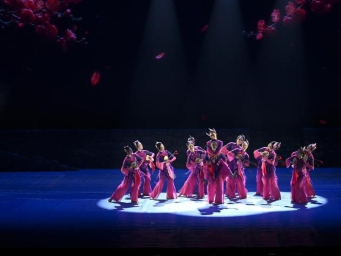
Cultural Renaissance: The 2024-2025 theatrical production "Baoshun Ship" by Ningbo Performing Arts Group has rekindled public awareness of this rich heritage. The play dramatizes the historical journey of Ningbo merchants, particularly highlighting Li Yeting's transformative decision to purchase the pioneering vessel. As one reviewer noted, the production "not only is an attempt at artistic innovation, but also a deep tribute to the modern Chinese shipping industry and the spirit of the Ningbo merchant group".
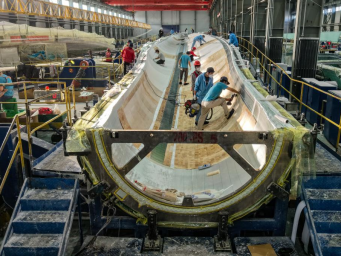
Contemporary Shipbuilding Partnerships: Modern "Ningbo Bang" companies continue the tradition of technological advancement through partnerships with major shipbuilders. Recent developments include 2,400 TEU container ships constructed for Ningbo Ocean Shipping by Bohai Shipbuilding, demonstrating how modern enterprises maintain the historical commitment to fleet modernization and capacity expansion.
Table: Key Figures in "Ningbo Bang" History and Modern Operations
Era Key Figures/Entities Major Contributions
Mid-19th Century Li Yeting & Ningbo Merchants Purchased China's first private steamship (Baoshun ship); revolutionized coastal shipping
Late 19th-Early 20th Century Li Family Descendants Expanded into finance, diversified business holdings; supported revolutionary causes
Early 20th Century Li Shanxiang Established "Ssang Ssang Orchard"; resisted Japanese occupation; encouraged family participation in revolution
21st Century Ningbo Ocean Shipping 108-vessel fleet; 1.687M deadweight ton capacity; ongoing vessel modernization program
? Conclusion: An Ending and a New Beginning
The "Ningbo Bang" narrative reveals a remarkable continuity between historical legacy and contemporary practice, demonstrating how cultural DNA can transcend centuries while adapting to new economic realities. This unique combination of entrepreneurial vision, collective action, and patriotic responsibility created a business philosophy that remains relevant in today's global economy. The modern shipping companies expanding their fleets, the cultural institutions reviving historical memory, and the family descendants maintaining connections to their ancestral homes all represent different facets of the same enduring spirit. As new "Baoshun ships" continue to set sail from Ningbo-Zhoushan Port, they carry forward a legacy that has navigated both the challenging waters of the 19th century and the complex global supply chains of the 21st, proving that the "Ningbo Bang" is not merely a historical phenomenon but a living tradition, still very much underway.
I hope this detailed analysis provides a comprehensive understanding of how the "Ningbo Bang" has set sail once more, blending historical legacy with contemporary innovation. If you would like me to focus on any specific aspect in greater depth, such as the economic impact of modern Ningbo shipping or additional family stories, please feel free to ask.
|
 |周边二手车|手机版|标签|新闻魔笔科技XinWen.MoBi - 海量语音新闻!
( 粤ICP备2024355322号-1|
|周边二手车|手机版|标签|新闻魔笔科技XinWen.MoBi - 海量语音新闻!
( 粤ICP备2024355322号-1| 粤公网安备44090202001230号 )